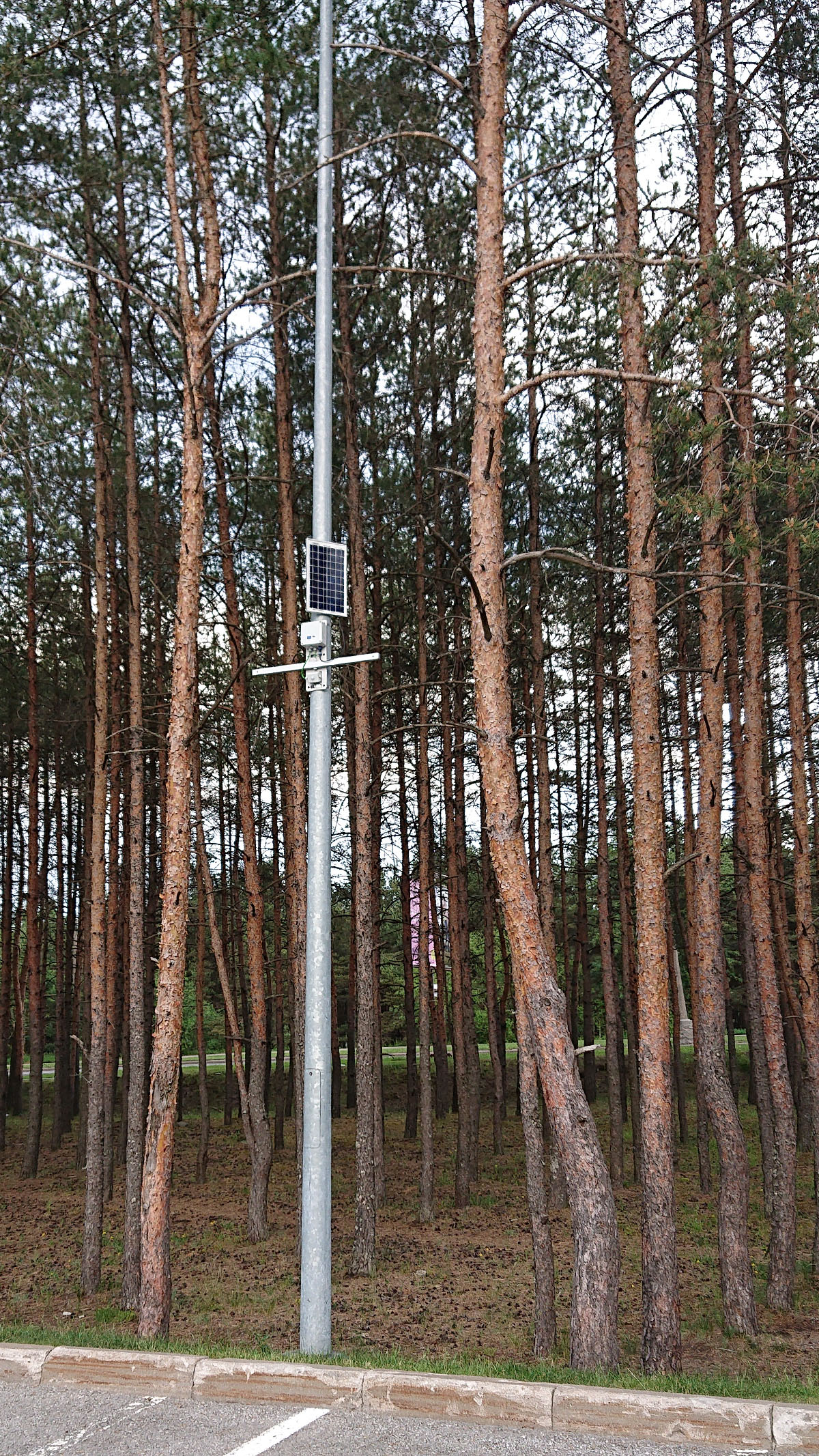
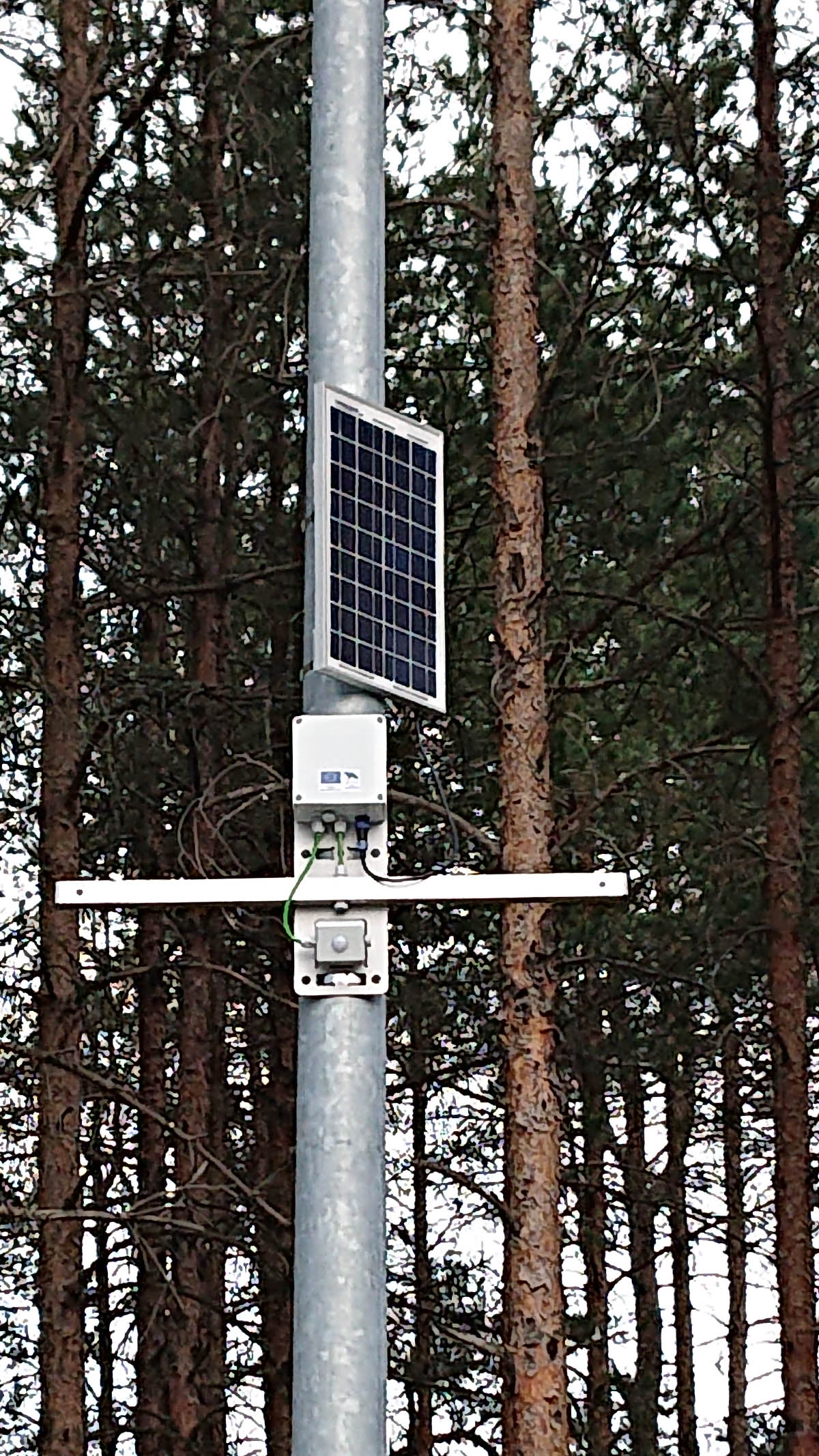
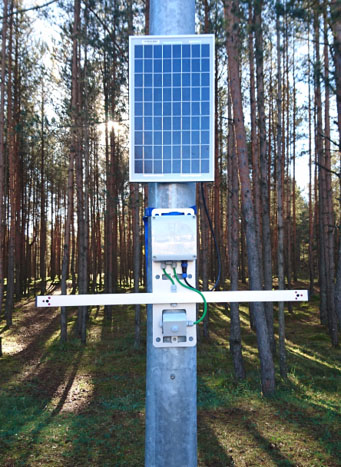
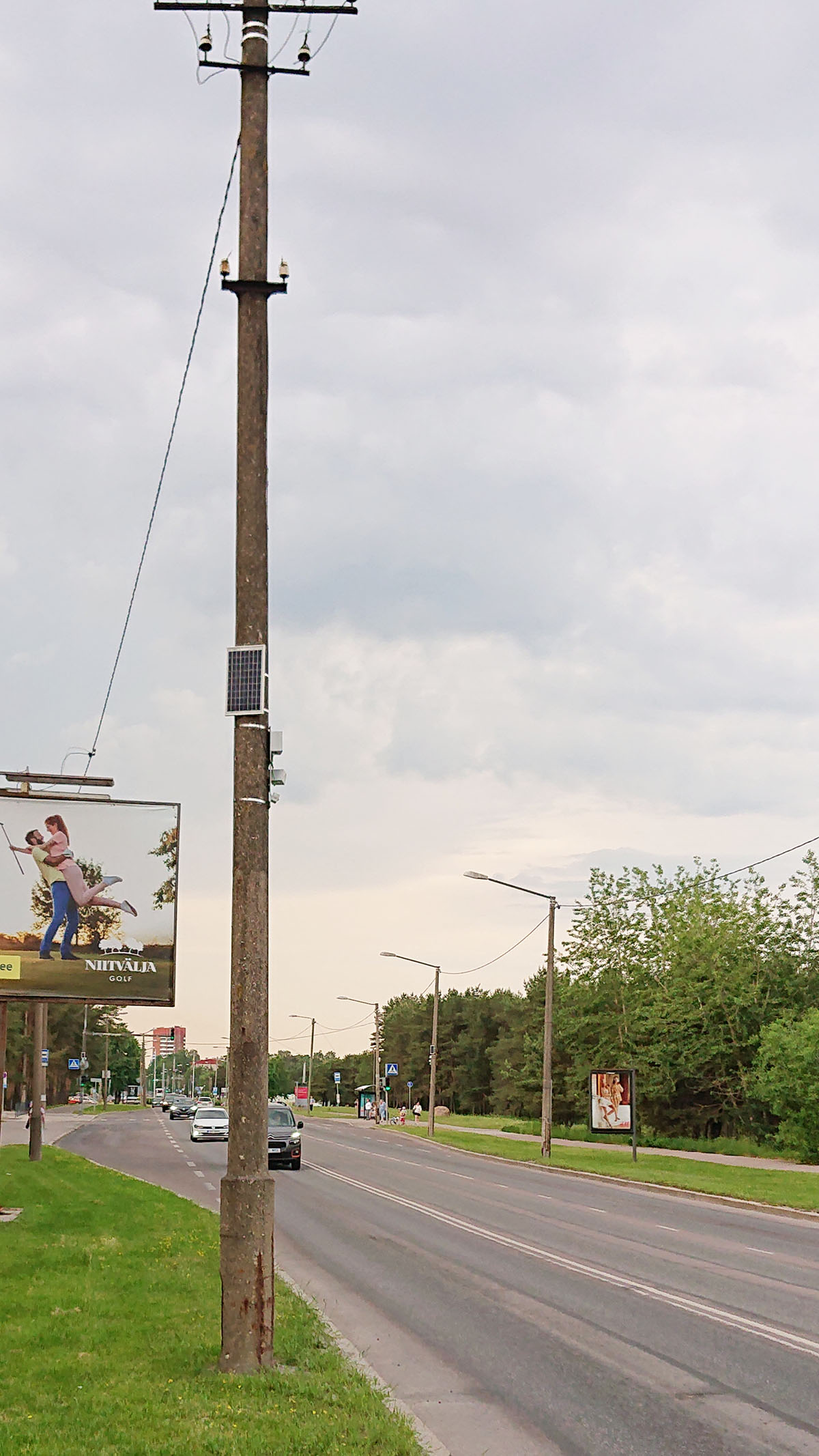
In the summer of 2019, Tallinn University of Technology installed a sensor network of approximately 900 sensors in the urban environment of Tallinn to measure environmental performance, noise, and traffic volume, as part of IMO and SMENETE2 projects. About a third of the sensors allow pedestrians, cyclists and vehicles to be identified and counted. Sensor readings are collected in the Cumulocity IoT information system managed by the IT faculty of TalTech. As of October 2019, the Cumulocity IoT information system has been connected to approximately 30 urban traffic sensors, each collecting several thousands of traffic-related readings per day.
Related projects
Smart Environment Networking Technologies 2(SMENETE2)
Completed studies
Kaugerand, J., Ehala, J., Mõtus, L., & Preden, J.-S. (2018). Time-selective data fusion for in-network processing in ad hoc wireless sensor networks. International Journal of Distributed Sensor Networks. Read here.
Riid, A., Kaugerand, J., Ehala, J., Jaanus, M. and Preden, J.S., 2018, October. An Application of a Low-Cost Microwave Radar to Traffic Monitoring. In 2018 16th Biennial Baltic Electronics Conference (BEC) (pp. 1-4). IEEE.
Peet, T. Master’s theses: „Challenges in Implementing Artificial Neural Networks on Microcontrollers: an ARM Cortex-M Example“. Read here.
Use of data
Currently, both the sensor network and the sensor data information system are being tested, so the data is not yet public and is not available to everyone. Therefore, data is currently only available on request.
Contact