Supervisory Board

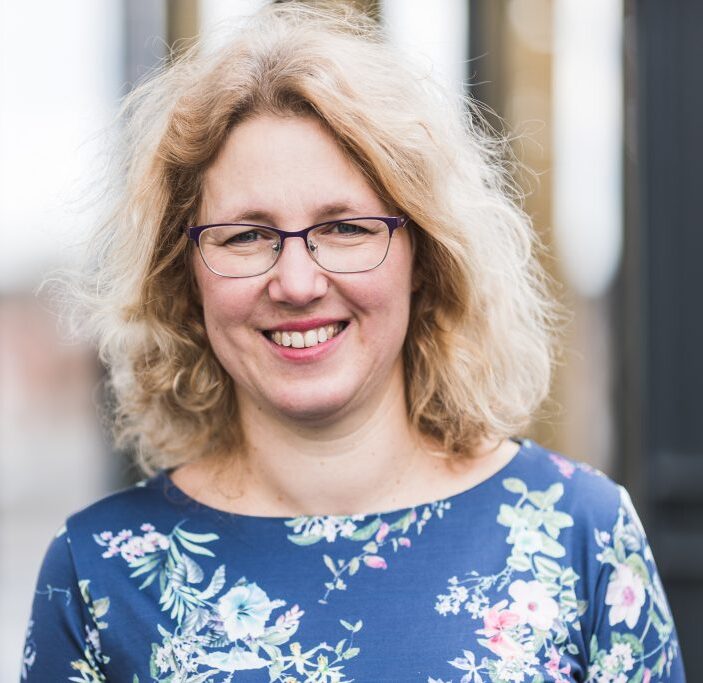
Krista Fischer

Tartu University
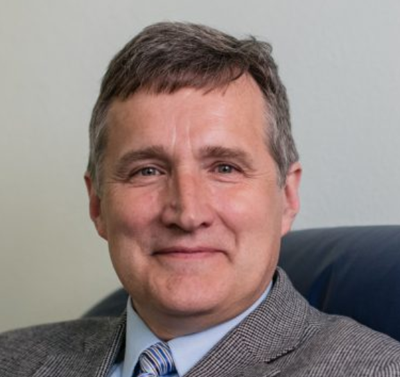
Urmas Varblane

Tartu University
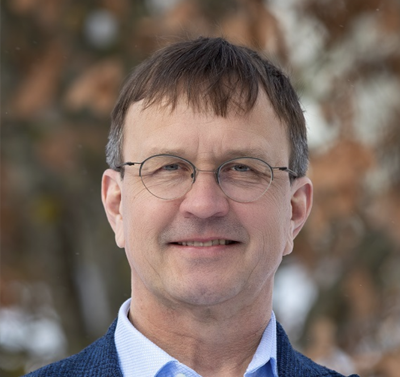
Peeter Ross

Tallinn University of Technology
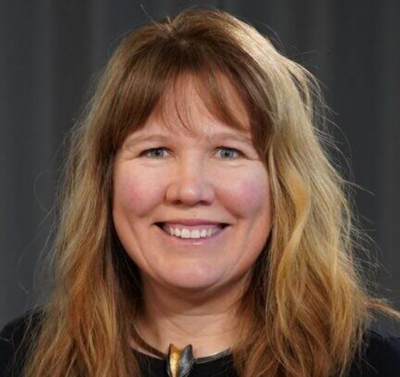
Marge Unt

Tallinn University
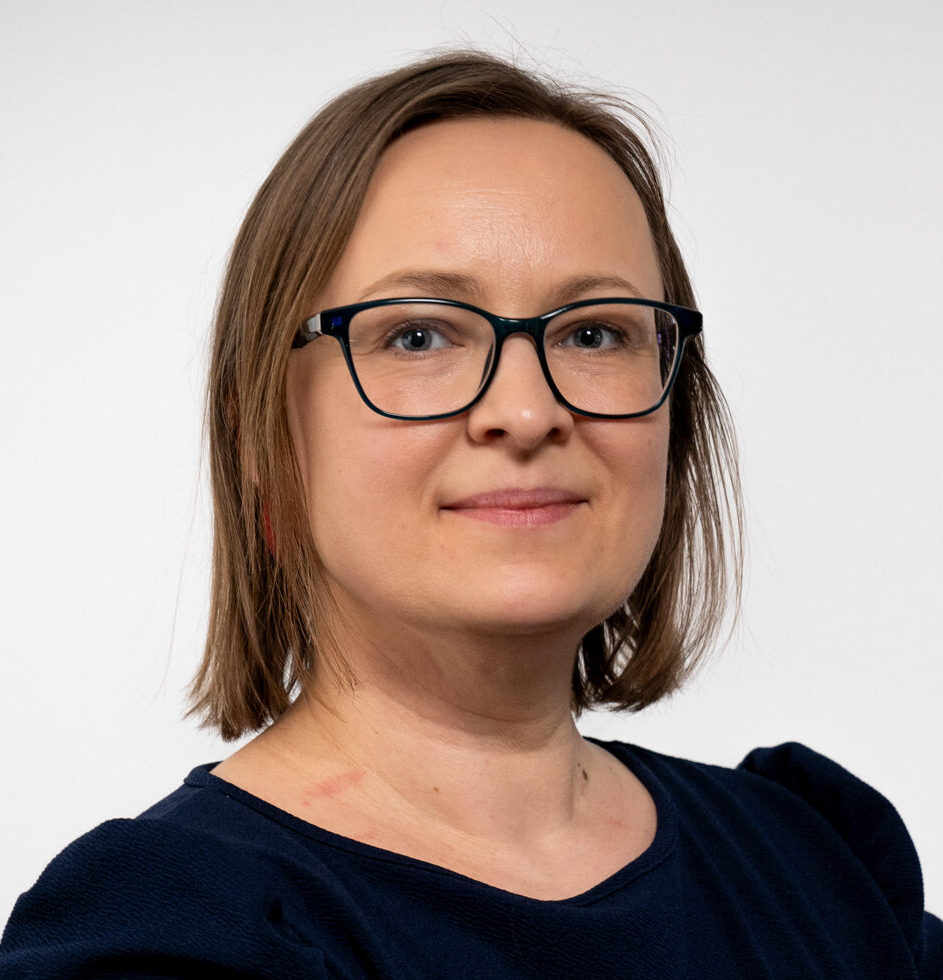
Marre Karu

Statistics Estonia
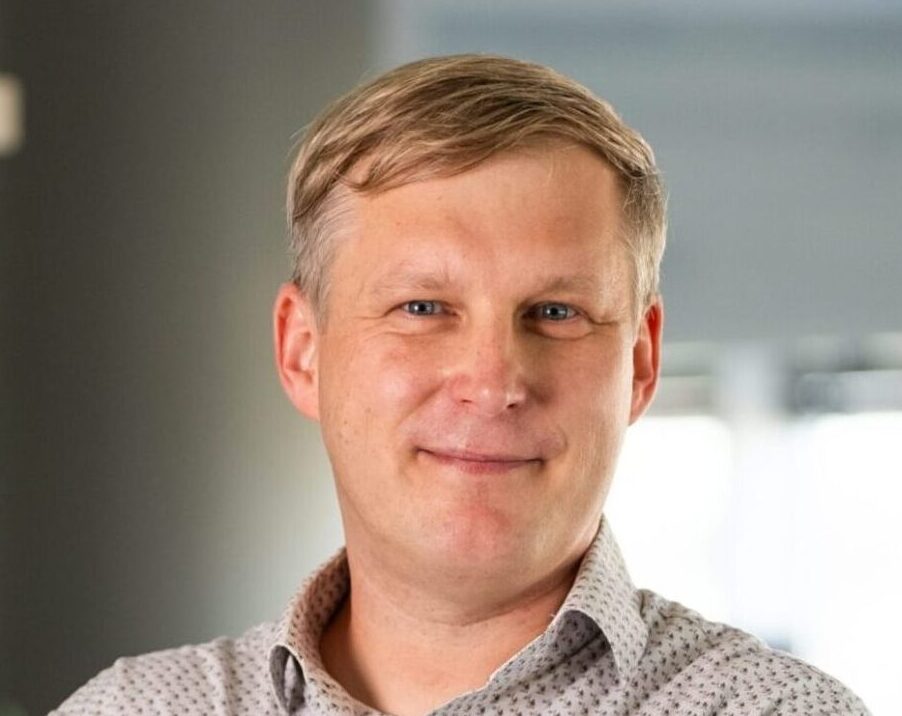
Erki Saluveer

Positium OÜ (Associated member of the board)

Partners

University of Tartu / Leadpartner

Mobility Lab of University of Tartu

Since 2002, the Mobility Lab has been working on developing a unique IT platform for gathering mobile phone positioning data from the main Estonian mobile operators. On the basis of long-term agreements, operators provide raw data that is cleaned, harmonized (data structures differ between mobile operators) and validated.

Contact
Department of GeographynUniversity of TartunVanemuise 46, 51003 Tartu
Contact persons

Center for Migration and Urban Studies

Since 2002, the Center for Migration and Urban Studies has been working on large amounts of personalized e-data in the country (2000 and 2011 censuses, registers). The Statistical Office provides raw data that is subsequently cleaned and harmonized. The work takes place in the secure workplaces of the Statistical Office, and long-term agreements have been concluded between the Statistical Office and the University of Tartu for the use of the data.

Contact
Department of GeographynUniversity of TartunVanemuise 46, 51003 Tartu
Contact person
Anneli Kährikanneli.kahrik@ut.ee

The Faculty of Economics and Business Administration

The Faculty of Economics and Business Administration of the University of Tartu is the leading center of excellence in the national economy and business administration in Estonia. About half of the high-level publications by Estonian economists are written by scientists of the UT Faculty of Economics and the staff of the faculty includes three laureates of the Estonian Republic Research Prize and a member of the Estonian Academy of Sciences. Academic staff of the Faculty of Economics often consult the Government of the Republic of Estonia, public sector institutions as well as international organizations such as OECD, ILO, WHO, UNCTAD.


The Faculty of Economics has compiled extensive datasets characterizing entrepreneurship and labor markets relevant to the IMO. In addition, the Faculty of Economics also uses national big data at the secure workplaces of the Statistical Office, and the international business database Orbis Europe (previous name  Amadeus).

Contact
The Faculty of Economics and Business AdministrationnUniversity of TartunNarva mnt 4-18 51009 Tartu
Contact person

Statistics Estonia

Statistics Estonia

The Statistics Estonia coordinates the production of official statistics in Estonia. The Statistics Estonia has data from 1989, 2000, 2011 censuses, national registers obtained for carrying out statistical work, databases, and surveys. However, the data of the 1989 census is disorganized. The revised 1989 census data is located in the Estonian Demographic Center at Tallinn University. A tripartite agreement has been concluded between the Statistical Office, the University of Tartu and Tallinn University, which as a first step, coordinates the harmonization of the spatial data of the three-census data (the spatial data of Tallinn are geocoded). The work done so far has been small-scale due to limited resources (such as the completed small infrastructure project), but the IMO is capable of producing a dataset that is fully harmonized in time and space.

Contact
Statistics EstonianTatari 51n10134 Tallinn
Contact person

Tallinn University

Tallinn University

Since the beginning of the 1990s, the Estonian Demographic Center, in cooperation with Statistical Estonia, brought individual data from the 1979 and 1989 censuses to Estonia and has been engaged in data management work, including the organization of large amounts of state data and bringing them to scientific use. The incorporation of the 1989 data, organized in the framework of the Center’s projects and equipped with the ID of the persons into the IMO, allows the time horizon of the project to be as long as the period of Estonia’s restored independence. The Center was the coordinator of the 2020 census methodology project (2010-2013) of the Statistical Office, which involved extensive cooperation with the Department of Geography and the Faculty of Economics of the University of Tartu. The Estonian Demographic Center has a data laboratory meeting the security requirements. The agreement between Tallinn University and the University of Tartu has also been a basis for the establishment of long-distance university-to-university communications.

Contact
School of Covernance, Law and Society, Estonian Institute for Population StudiesnTallinn Universityn Uus-Sadama 5, 10120 Tallinn
Contact person

Tallinn University of Technology (TalTech)

Research Center for Logistics and Transportation

The Research Center for Logistics and Transportation has long-term experience in researching, analyzing, and forecasting traffic volume and traffic load, as well as passenger and freight flows on Estonian roads and cities. In addition, cycle and pedestrian traffic and traffic accidents, correspondence between modes of transport (car, bus, rail) are analyzed. The Institute has carried out its own traffic surveys and forecasts but also relies heavily on mobility data from various authorities (Road Administration), companies (ELRON, bus companies) or municipalities, such as counting points for traffic surveys, passenger travel data and other mobility data. The Institute has long-term cooperation with the Ministry of Transport and Communications, the Estonian Road Administration and major cities (Tallinn, Tartu, Pärnu, Narva). The Institute has developed a capability for analyzing and forecasting model-based transport and mobility networks.

Contact
Research Center for Logistics and TransportationnTallinn University of TechnologynEhitajate tee 5, 19086 Tallinn
Contact person

Institute of Cybernetics

The Institute of Cybernetics has extensive experience in the mathematical development of data collection, processing, analysis and applications. In this program, the Institute will play an important role in advising on the development of the entire IMO data infrastructure. The Laboratory of Wave Engineering is also actively involved in IMO data production, contributing to the harmonization and integration of environmental and ship traffic data into a single database. The laboratory focuses on complex and nonlinear phenomena in wave dynamics and coastal engineering and the application of mathematical methods in wave studies. Research areas include, inter alia, long-wave theory and applications, surface wave modeling, wave climate studies and wave-related phenomena in coastal engineering, applications in integrated coastal zone management. The link between the increased traffic load in the Baltic Sea and commuting between Estonia and Finland and its environmental impact is one of the case studies of the IMO, on the basis of which it is planned to develop interfaces for assessment of different environmental and socio-economic impacts. The TERIKVANT program, in cooperation with MobilityLab, has established a collaboration to analyze risks related to mobility, population placement and the environment.

Contact
Lainetuse dünaamika laboratooriumnKüberneetika instituut, Tallinna TehnikaülikoolnAkadeemia 21, 12618 Tallinn
Contact person

Research Laboratory for Proactive Technologies

Established in 2007, the Research Laboratory for Proactive Technologies at the Department of Software Science deals with the development and research of cyber-physical (including smart city) systems. The Laboratory has solid theoretical knowledge and practical experience in integrating the big data associated with such systems and finding solutions on the basis thereof to better monitor, understand and manage various situations. The Laboratory utilizes technologies and solutions developed in a number of security-related projects in which the Laboratory has participated in the development of smart environment systems. Among other things, various sensor systems in cities are being developed to better understand the patterns of human movement, their causes and consequences.

Contact
Department of Software SciencenAkadeemia tee 15an12618 Tallinn
Contact person

Ragnar Nurkse Department of Innovation and Governance

The Ragnar Nurkse Department of Innovation and Governance deals with analyzing governance, economic development, innovation, and the development and governance of new technologies, and makes recommendations for better organization of national strategies, policies and day-to-day activities. Among other things, within the IMO, the Department has a role to play in contributing to the development of a user-friendly data infrastructure that would significantly improve Estonia’s governance through data-driven planning and usability of public services and evaluation of feedback.

Contact
Ragnar Nurkse Department of Innovation and GovernancenTallinn University of TechnologynAkadeemia tee 3, 12618 Tallinn
Contact person
EU Fund
Read more

Infotechnological Mobility Observatory

The research was conducted using the research infrastructure “Infotechnological Mobility Observatory” funded by the Estonian Research Council (TARISTU24-TK18)

Beneficiary: University of Tartu

Partners: Tallinn University of Technology, Tallinn University, Statistics Estonia

Period: 2014 - 2029

Brief description: Growing spatial mobility is one of the important changes in modern society, which is related to the topics of external and internal migration, urbanization, entrepreneurship, inequality and regional development. Up-to-date and high-quality data are needed to study spatial mobility. The goal of IMO is to develop an innovative data infrastructure supporting mobility research, integrating geographically and longitudinally diverse national statistics and innovative IT data sources.